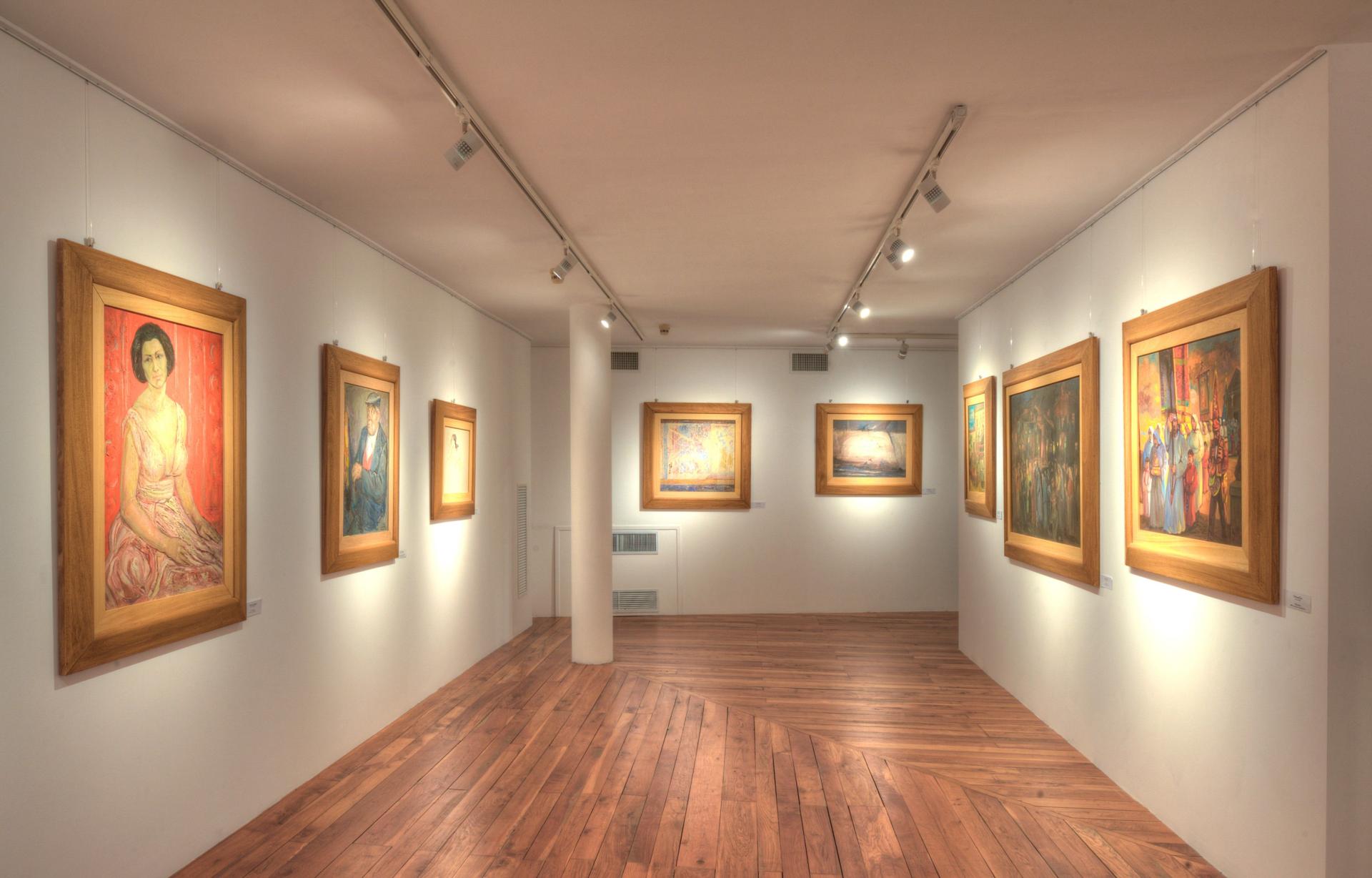
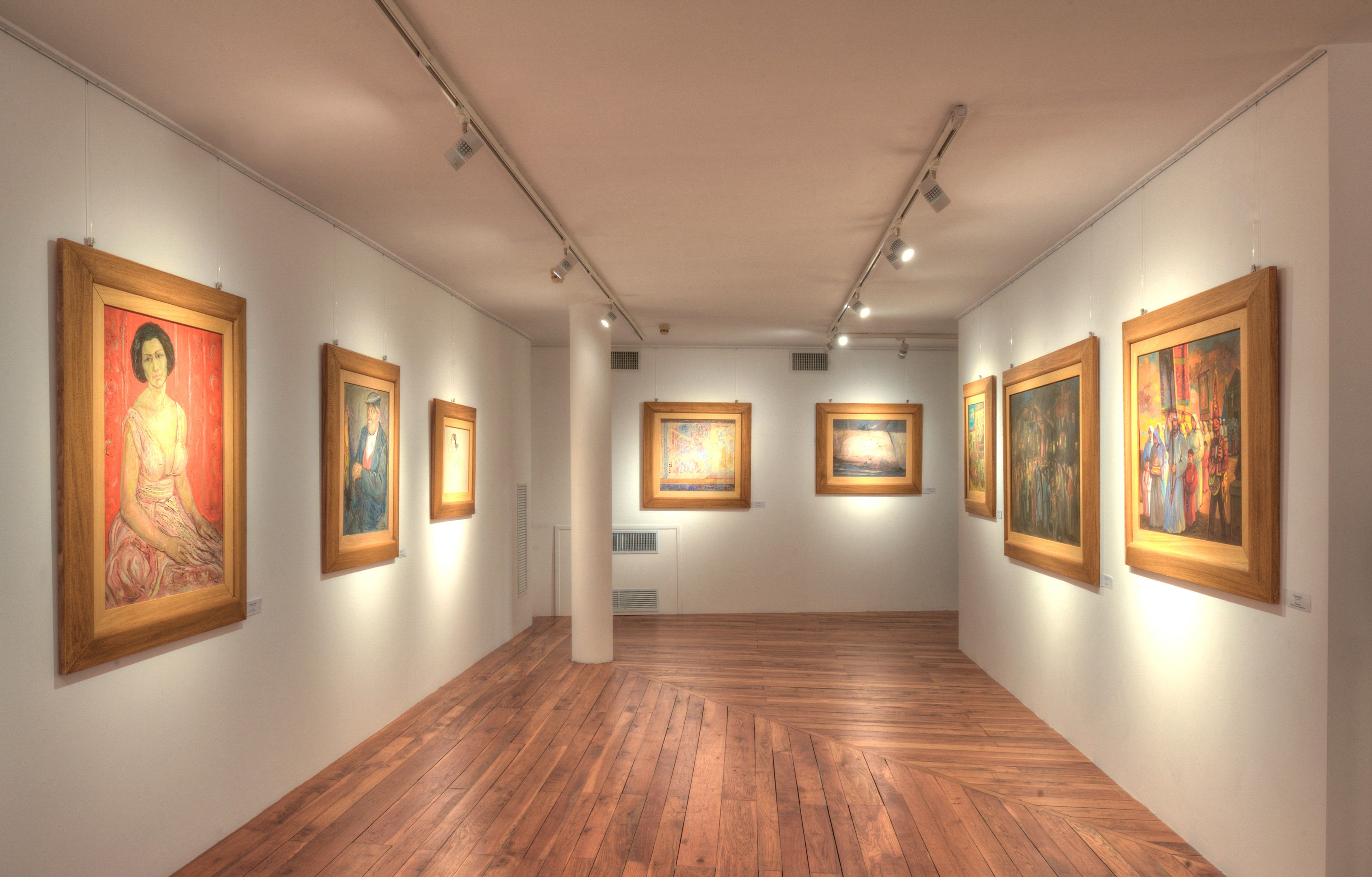
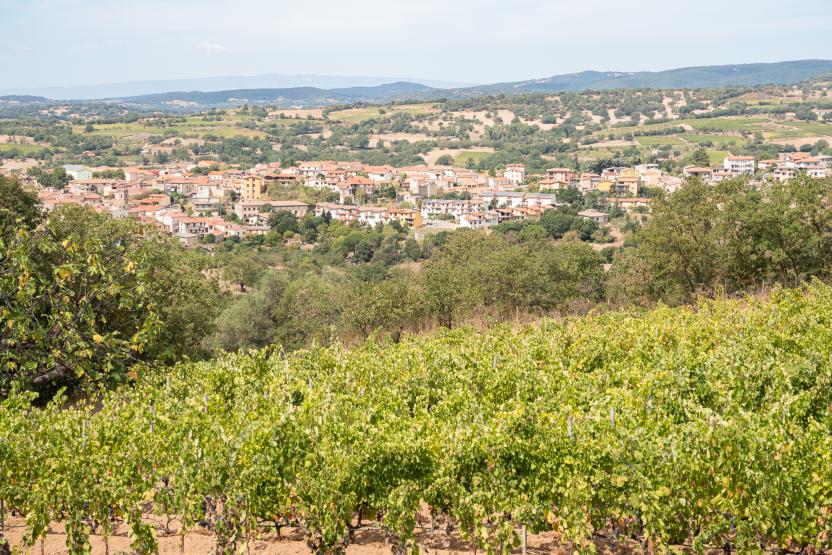
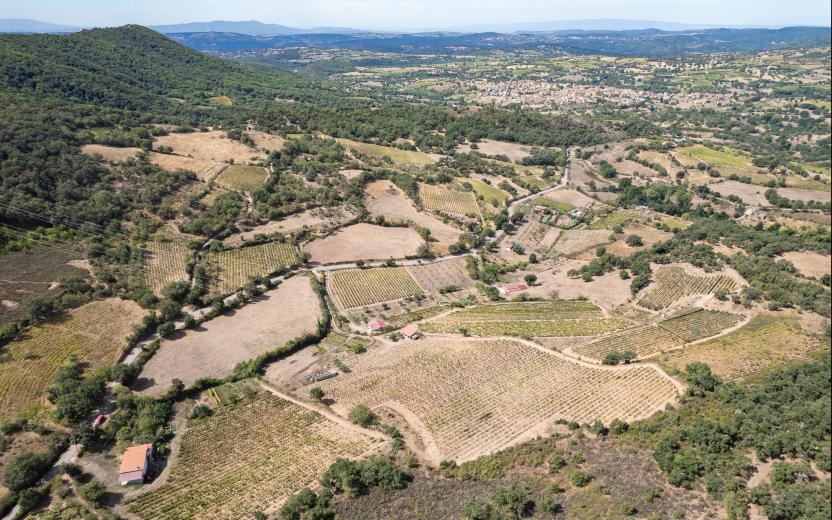
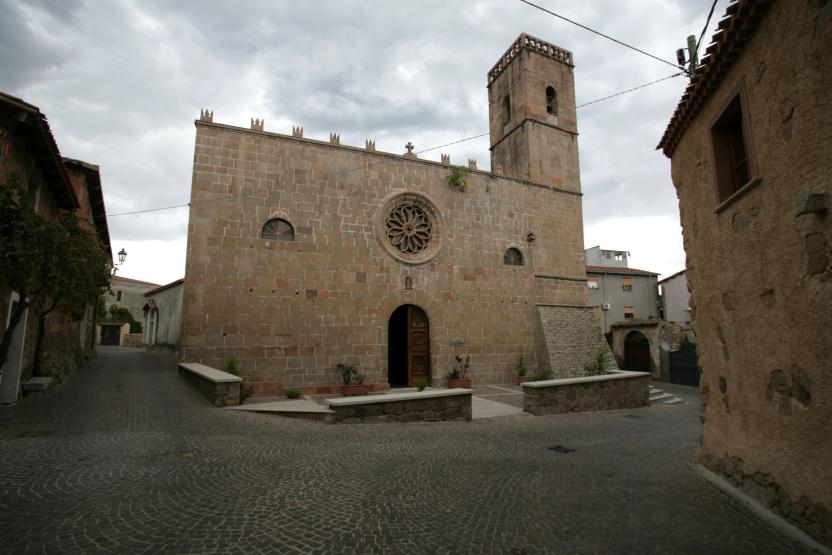
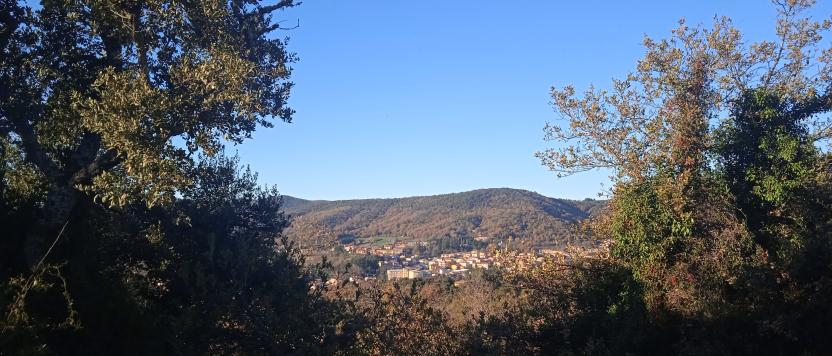
At the beginning of the last century, the Spaniards Eduardo Chicharro Agüera, Antonio Ortiz Echagüe and the Argentine Bernaldo Cesáreo de Quiros painted in Atzara.
The presence in Atzara of these young costumbrista painters had a significant influence on all Sardinian painting. The MAMA Museum is located in Atzara, in the province of Nuoro, where Ortiz Echagüe stayed and worked throughout 1908 thanks to a scholarship granted to him by the Spanish Academy of Fine Arts in Rome. Atzara attracted the very young Spanish artists for a series of reasons, among them the Jubilee celebrations of the Holy Year 1900, during which they were struck by the Sardinian costumes worn by a group of pilgrims from Atzara, including the then mayor Bartolomeo Demurtas.
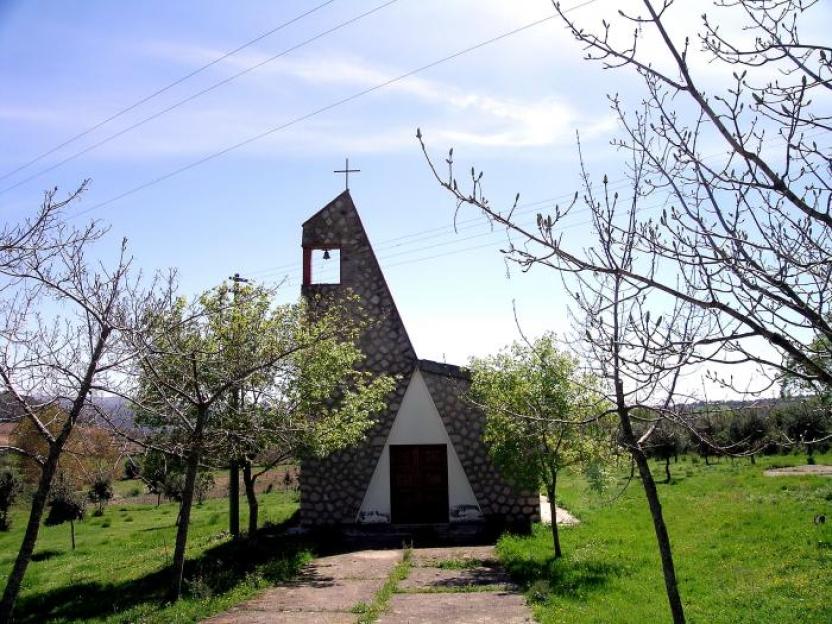
Antonio Ortiz Echagüe (1883–1942) is certainly the most significant figure among the young Spanish painters of Atzara; indeed, the Museum bears his name. Introduced by Chicharro to his friends Antonio Ballero and Francesco Ciusa, he stayed on to work with them in Mamoiada and Dorgali, before moving definitively to Atzara. An ideal studio for the young painters was the little church of San Giorgio, whose interior made it possible to create large-format works such as Il ritorno dalla festa di San Mauro by Chicharro and the majestic Festa della Confraternita di Atzara by Ortiz Echagüe. La Fiesta de la Cofradía de Atzara, 1908–1909, earned Ortiz major prizes: in Rome in 1909, Munich, Venice, Madrid, Paris in 1921 at the Salon des artistes français, and Buenos Aires, before later being transferred to Spain, to the San Telmo Museum in San Sebastián.
The painting portrayed local people in their traditional costume, in a realist pictorial style. Equally interesting is another painting by Ortiz Echagüe, Mujeres de Mamoiada of 1908, purchased by the Museum. Completing the series are the Portrait of Bartolomeo Demurtas and Cabeza de muchacha de Atzara by Eduardo Chicharro Agüera, the Portrait of Antonio Ballero by Bernaldo de Quiros (1911) and L’appello serale (“Evening Roll Call”) by Antonio Ballero.
These young Spanish painters, pupils of Sorolla, immortalised in their large canvases the local inhabitants, their dress and traditional festivities, with a style rooted in realism and costumbrismo, in which the human figure is the protagonist. When they arrived, Sardinian art was completely marginalised with respect to the creative and innovative ferment present in mainland Italy and especially in France and Germany with the Impressionist movement.
The new painting introduced by the young Spanish artists ended up conditioning for a long time, and in depth, the development of an indigenous visual language, stylistic choices, painterly tone and even the very themes linked to that current of Iberian costumbrismo, whose eminent exponent was Joaquín Sorolla. Atzara thus became the starting point for a new pictorial genre, following the example of the Spanish costumbristas, and a necessary crossroads for the most important Sardinian artists—mentioned in some of Ortiz’s letters—such as Giuseppe Biasi, Filippo Figari, Mario Delitala, Carmelo Floris and Stanis Dessy, who would stay there for periods of varying length. Filippo Figari openly acknowledged the fascination and the powerful influence exerted by the young Spanish painters on Sardinian artists of that time.
A similar statement was made by Stanis Dessy: “But above all, the Spaniards of Atzara influenced me and so much Sardinian painting that came after.” It should be noted in this regard that it would be misleading to interpret the art of these painters in a purely folkloric key, since their interest was essentially ethnographic and documentary. The collection of the MAMA Museum consists of works dating from the last decade of the 19th century to the present day. Both stylistically and thematically, the collection offers a comprehensive overview of the artistic trends of the 20th century.
Opening hours:
The museum is open from Tuesday to Sunday (closed on Mondays).
Daylight saving time: 10:00–13:00 and 15:00–18:00
Standard time: 10:00–13:00 and 15:30–18:30
Info and contacts: info@museoatzara.com tel. 347 798 3242